
GAC 2026: What Top Aesthetic Practices Are Doing Differently
Most aesthetic practices don’t have a lead problem; they have a follow-through problem. Takeaways from four sessions at the Global Aesthetics Conference 2026.
Now accepting new clients for 2027. Find my lost consults
By Alex Zinni17 min read
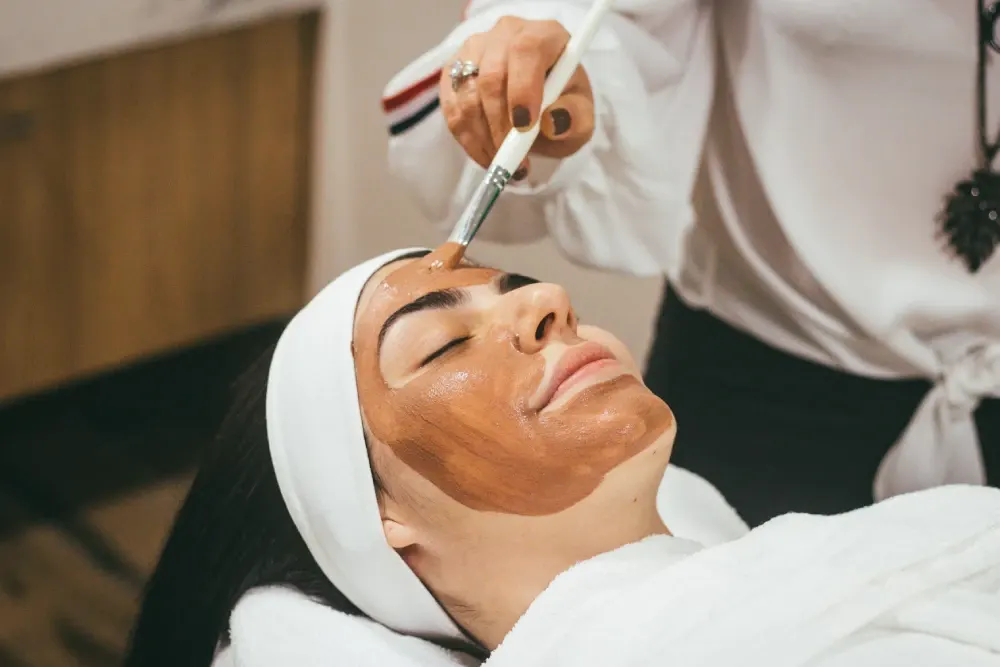
People researching a med spa often compare providers, read reviews, and look into treatments before booking. Good med spa website design answers their questions, shows who provides the care, and makes the next step easy to find.
Your website also needs to work with local search, content, and advertising. Here's how to connect those pieces around qualified consultation requests.
Your website sits at the center of everything. Traffic from search, social, and ads all lands here first. Strong med spa web design keeps that traffic engaged. A slow page or a buried treatment detail sends visitors right back to Google.
One "Services" page usually cannot rank for every treatment search or answer every question patients have. Each core treatment needs its own dedicated, optimized page.
Give each of these its own standalone page:
Someone searching "Botox in [city]" wants a Botox page. Not your homepage. A focused page explains the treatment, pricing ranges, recovery, candidacy, and next steps. That depth serves the reader, and it serves the algorithm.
Many redesigns put the homepage first. That's backwards. Someone searching for a treatment near them lands on a treatment page, and if that page is a few paragraphs of manufacturer boilerplate and a Book Now button, you've lost them to whoever wrote a better one.
A treatment page that earns the appointment covers:
Start with your highest-revenue treatment pages before you commit to a full redesign.
Med spa website development starts with search intent. Map every page to what the searcher actually wants to learn or do. Titles and headings should state the treatment and location plainly, with no clever wordplay.
Link related pages together: your laser page to your skin rejuvenation page, for instance. Keep mobile clean, since many aesthetic searches happen on a phone in someone's hand, not a desktop. Compress your images and cut the heavy scripts dragging your load time down.
A strong digital marketing strategy should connect these website and search elements instead of treating them as separate tasks.
A treatment page should make the next step easy to find. Add a visible booking button or phone number, keep consultation forms short, and explain what happens after someone reaches out. Provider bios, credentials, patient reviews, and treatment details can help visitors assess the practice. Use before-and-after photos where appropriate and permitted.
Open your site on your phone and count the taps from a treatment page to a confirmed appointment. If the count is high, that is one of your highest-value fixes.
The usual pattern: a Book Now button opens a contact form, which sends an email, which someone answers tomorrow. That isn't booking. It's a lead form wearing a booking button, and when a prospect is comparing several practices in one sitting, next-day loses.
Put live availability on the treatment page itself. Offer a virtual consult for first contact, since nobody's committing to a drive. Add a sticky mobile bar with Book and Call. Keep the public form minimal: name, contact, treatment interest. Push medical history, medications, and photo uploads into a secure intake step after the appointment is set.
Google's Core Web Vitals thresholds are public: Largest Contentful Paint under 2.5 seconds, Interaction to Next Paint under 200 milliseconds, Cumulative Layout Shift under 0.1.
Med spa sites often fail these for the same reasons. Autoplay hero video. A gallery of uncompressed images loading at once. Chat, booking, review, and popup widgets all firing on load. Fix order: compress and lazy-load the gallery, serve modern image formats, swap hero video for a static image with click-to-play, then cut any third-party script not earning its load time.
This is the recommendation practices resist the hardest, and the one we'd defend most strongly.
Price is one of the first questions patients ask. A site that won't answer it sends the prospect to a competitor who will. Ranges are enough: per-unit price, typical unit counts, resulting treatment range. Some of the consultations you "lose" are people who would have walked at the quote anyway. Specific numbers also give AI answers something to quote, while vague copy gets summarized into nothing.
Design supports trust. Named providers and provable results are what turn a browser into a booking.
Before-and-after photos are some of the most persuasive assets in aesthetics. They're also where practices get into trouble.
An identifiable patient photo is protected health information, and the bar for identifiable is lower than owners assume. The American Med Spa Association puts it plainly: blacking out eyes or cropping the face doesn't reliably de-identify an image, because tattoos, jewelry, scars, hairlines, and even the room behind the patient can identify someone.
Using PHI to promote your business is marketing under HIPAA, which requires a written authorization meeting the elements in 45 CFR 164.508. A checkbox in your intake packet doesn't cover it. Neither does a verbal yes at the front desk. Separately, if a patient received free treatment, a discount, or works for you, FTC endorsement rules require you to disclose that near the image.
So build the gallery on a consent system instead of a folder of phone photos. Standardize capture: same lighting, angle, distance, background, no makeup either side. Store originals with a vendor that signs a Business Associate Agreement, not personal iCloud. Caption every set with treatment, session count, and time elapsed. A captioned set tells a patient more than a dramatic uncaptioned pair, and details like that are what AI engines quote.
Have a healthcare attorney review your consent form.
Google's quality rater guidelines treat aesthetic medicine as YMYL content, meaning pages that can affect health or finances get held to a higher standard. Trust sits at the center of the E-E-A-T framework, and AI systems read the same signals when deciding whether to name a practice.
Many med spas have the credentials. They just never put them where a crawler or a nervous patient can find them.
Experience means first-hand proof. Your own photos, session counts, recovery timelines. Content assembled from manufacturer literature carries no experience signal.
Expertise means named humans. Medical director with credentials and state license, injectors with their certifications. Add a "Medically reviewed by [Name, credential]" line with a date to every clinical page, linked to a real bio.
Authoritativeness comes from outside your domain. AmSpa membership, manufacturer provider tiers like Allergan or Galderma partner status, local press, review volume across Google and RealSelf.
Trust is where many sites lose. Publish your complication protocol and who to call after hours. State your touch-up and refund policy. Skip guaranteed-results language entirely, since it can be both a rankings liability and a regulatory one.
Then mark it up: Person schema per provider, Organization with sameAs pointing to your verified profiles.
Many of your clients live within a short drive of your door. Med spa SEO at the local level puts you in front of the people who are ready to book today. This is where practices compete hardest, city by city, and where many of them lose without realizing it.
Your Google Business Profile drives map and local pack visibility, and it's free real estate many practices half-fill. Set an accurate primary category ("Medical spa"), add relevant secondary categories, list every service, keep your hours current, and confirm your address and phone number.
Add current photos of your facility and team, and invite patients to leave reviews without offering incentives. Respond professionally to reviews while respecting patient privacy. A complete, accurate profile helps people evaluate your practice, and reviews can also contribute to local visibility.
Local keywords blend treatment plus place, and they carry strong intent because the person wants a nearby provider today, not next month. Structure your pages and profile around phrases like:
Proximity can play a major role in whether a search turns into an appointment. Ranking for city-level terms can bring in more qualified local traffic, not just impressions.
Keep your practice name, address, phone number, and hours accurate across your website and relevant directories. Correct outdated listings so patients can find and contact you.
Create a location page when you have useful information specific to that area, such as the services available at a physical location. Avoid publishing near-identical pages for every nearby city. Google describes local ranking primarily in terms of relevance, distance, and prominence, so a directory listing or city page alone will not guarantee visibility.
Content captures patients earlier than a service page ever will. People ask questions long before they compare clinics. Helpful, honest answers earn trust and bring them back when they're finally ready.
A med spa content marketing plan maps topics to the research stage a patient is actually in. Early-stage readers usually want education before they are ready for a sales conversation. Blog posts, guides, and treatment FAQs meet that curiosity and feed your service pages through internal links. A consistent digital marketing approach can keep those content efforts connected to the wider patient acquisition strategy.
Focus on the questions that signal real interest, the ones people type right before they book:
Answer each question directly and plainly. Then guide the reader to a related consultation page.
AI-powered search and traditional search both reward clarity now. Lead with a clear answer in the first sentence, every time. Use question-based headings, concise explanations, and structured information like short lists and tables. If your answer to "how long does lip filler last" takes four paragraphs to extract, it won't get extracted.
Show real expertise signals, author credentials, and provider input. Content that answers cleanly earns visibility across Google and the AI answer engines alike.
Two more things decide whether an AI assistant names you:
Social platforms warm patients up between searches. They see your results, meet your team, and get comfortable before they ever pick up the phone.
Share educational treatment content, short facility tours, provider expertise, and answers to common questions. Compliant visual content performs well here, since aesthetic decisions are visual by nature.
Credibility beats constant selling every time. Steady, useful posts earn more trust than discount blasts ever will. Reviews reinforce that trust directly, since many patients check them before choosing a provider. Social proof and reputation work together, not separately.
Give every profile a clear path to book. Add booking links, contact options, and calls to action in your captions and bios. Med spa social media marketing should move a follower from a post to a consultation request with no friction in between.
Visibility only pays off when it produces leads. You need one defined conversion path, not five half-built ones.
Design a single simple route: search or social, then the website, then a treatment page, then a consultation request, then follow-up, then the appointment. Remove any step that stalls the visitor.
Different intent needs different wording. Match it:
Clear, specific calls to action convert better than a vague "Learn More" button ever will.
A form fill is the start, not the finish line. Measure the full picture:
These numbers tell you which channels produce revenue, not just activity.
Paid ads speed up results. Organic marketing compounds over time. You need both, not one or the other.
Google Ads capture people searching treatment and location terms right now. Bid on phrases like "Botox near me" or "laser hair removal in [city]." These searchers want to book, so precise targeting keeps your spend efficient instead of wasted.
A focused paid advertising strategy can help connect those searches with treatment-specific landing pages and clear booking paths. Search campaigns can show ads based on the terms people use when looking for a service, making keyword selection and search intent important parts of campaign setup. Google Ads provides tools for creating and managing these search campaigns.
Social ads can introduce your practice, explain treatments, and direct interested people to relevant pages. Review the platform's rules before choosing audiences or remarketing to visitors who viewed treatment content. Health-related services can face restrictions on personalized targeting, so build each campaign around the treatment and platform policies that apply.
Every ad needs a matching landing page. The page should reflect the ad's treatment, location, and offer, then present one clear call to action. A mismatch between ad and page wastes clicks and burns budget for nothing. Strong website design for aesthetic practices can help keep the landing-page experience aligned with the expectations created by the ad.
Measurement guides every smart decision you'll make. Data shows what to keep, cut, or scale.
Monitor rankings and organic traffic for the treatment and local keywords that actually matter. Watch how your city-level terms move over time. Rising visibility on high-intent phrases signals real progress, not vanity movement.
Traffic is a start. Appointments pay the bills. Track how many leads actually reach the calendar. Retention deserves real attention here too. Zenoti's own industry data has flagged declining new client visits alongside softer repeat visits across the med spa space, which makes repeat bookings one of the strongest growth levers a practice has right now, not a nice-to-have.
Traffic and bounce rate tell you very little about a med spa. These do.
Add one manual check monthly: ask ChatGPT and Perplexity for the best med spas in your city for your top treatment. Not mentioned means an entity problem, not a design problem.
In December 2022, the HHS Office for Civil Rights warned HIPAA-regulated entities about third-party tracking on their sites. In July 2023, OCR and the FTC sent a joint letter to roughly 130 hospital systems and telehealth providers naming the Meta pixel and Google Analytics specifically. The FTC also noted that companies outside HIPAA still carry obligations under the FTC Act and the Health Breach Notification Rule.
For a med spa the risk is concrete. A standard pixel firing on a URL containing a treatment name, or on a booking confirmation page, hands an ad platform an IP address paired with health-related activity.
Keep behavioral pixels off booking flows, intake forms, and confirmation pages. Fire conversion events server-side with treatment identifiers stripped. Scrub treatment names from URL parameters passed to analytics. Get a BAA from every vendor touching booking data.
Use performance data to spot your best treatments, channels, pages, and campaigns. Shift budget toward what converts. Cut or fix the underperformers. Regular review keeps the whole system sharp instead of stale.
Confirm your live site isn't set to noindex and staging isn't indexed. It takes a moment to check, fails silently, and costs everything.
Then take the quick fixes: audit photo consent, get pixels off booking pages, compress the gallery, and add reviewer bylines and schema to your top treatment pages. Rebuilding treatment pages, shortening the booking path, and fixing name and address consistency take longer. Entity authority and consistent AI citation build slowly after that.
A connected system beats any one tactic, every time. Visibility, trust, and a clear booking path have to work together, or the whole funnel leaks.
Med spa SEO helps your practice appear when people search for treatments nearby. Relevant pages and local listings can bring potential patients to your website, where clear treatment information and an easy booking process can turn that interest into consultation requests.
Both, honestly. Paid ads deliver fast, targeted traffic while your SEO is still building. SEO compounds into lasting visibility that doesn't disappear the moment you pause your ad spend. Run them together, and you cover both immediate and long-term demand.
Local SEO usually shows movement first. Competitive treatment terms take longer, sometimes considerably longer. Consistent content, real reviews, and technical fixes speed the timeline up. Shortcuts don't.
Burying the booking button and treatment pricing behind vague language. Patients researching aesthetic treatments want clarity fast. A site that makes them hunt for basic answers loses them to a competitor's page before they ever pick up the phone.
A homepage, one page per actively marketed treatment, a team page with named providers and credentials, a before-and-after gallery, pricing, a location page, and a booking page. Treatment pages generate revenue, so build those first.
Yes, with a signed HIPAA marketing authorization from each patient, separate from your general treatment consent. Identifiable photos are protected health information, and cropping or blurring the face doesn't reliably remove identifiability. If the patient was compensated, FTC endorsement rules also require disclosure.
If your practice handles protected health information electronically, yes, and it extends to your website. That covers booking data, intake forms, patient photos, and any third-party tracking script that could transmit health-related activity to an outside vendor.
If you have the time, the design skill, and the SEO knowledge to keep it updated, sure. Many practice owners don't have all three, and a site that looks fine but doesn't convert or rank costs more in the long run than getting it built right the first time.
Strong med spa marketing does more than generate traffic. It puts you in front of qualified treatment seekers, builds trust, and creates a clear path from search to consultation. Each channel supports the next: visibility earns attention, content and reviews earn trust, and a clean booking path earns the appointment.
Connecting these pieces makes it easier to see which channels bring in qualified leads and where potential patients drop off before booking. Focus on the numbers that reach your calendar, not just traffic and clicks. At Alpha Key, we help aesthetic practices build marketing strategies around those outcomes.
Want to know what's costing your site consultations? Reach out, and we'll walk you through it.
Most aesthetic practices don’t have a lead problem; they have a follow-through problem. Takeaways from four sessions at the Global Aesthetics Conference 2026.
How dermatology website design affects patient conversions, with practical tips and seven real practice websites worth studying.

Eight common SEO mistakes that keep medical practices out of search results, and how to find and fix each one.
Book a 20-minute call. We will look at where your leads come from now, where they get lost, and what a full calendar would take.